


Atlanta is an obvious winner, but Houston had a good day, too.

Aston Villa v. Liverpool
Mon, May 13
2:30PM EDTUSA Network


Mon, May 13
7:00PM EDT
Live From The PGA Championship
Golf Channel


Mon, May 13
7:00PM EDT
Live From The PGA Championsip
PGA Tour
Peacock


Top Headlines


Mike Florio and Chris Simms react to the breaking news the Chiefs will take on the Ravens in an AFC Championship rematch to open the 2024 NFL regular season.

Brad Keselowski celebrated his first Cup points victory since 2021 but not every driver left Darlington happy.
WATCH NOW
Pistons somehow not bad enough to get No. 1 pick
The Dan Patrick Show glances at the outcomes after the 2024 NBA Draft Lottery, where the Pistons slid to No. 5 despite being tied for the best odds for the No. 1 pick, while the Hawks vaulted to the top amid a 3% chance.
Up Next


NBC Sports Podcasts
-
 Robbie Mustoe and Robbie Earle discuss and dissect the top Premier League storylines after every single matchweek.
 -
 15x AMA Champion Ricky Carmichael and 9x AMA Champion Ryan Villopoto recap the week in Supercross and Motocross racing.
 -
 The former QB gives his unfiltered analysis on all things NFL. Clap it up!
 -
 The Rotoworld crew has you covered with top-notch fantasy baseball analysis, waiver wire pickups, latest injury news and more.
 -
 From spreads and totals to futures and player props, Jay Croucher and Drew Dinsick have you covered.
 -
 The expert analysts of NASCAR on NBC take a deep, insightful dive into every Cup race.
 -
 Former college basketball players Meghan McKeown, Zora Stephenson, and Robbie Hummel take charge with Big Ten hoops insights.
 -
 Join Matthew Berry and the crew for the latest information on the NFL and fantasy football.
 -
 RotoPat, Denny Carter, Kyle Dvorchak and others from the Rotoworld crew give their analysis and opinions on all things NFL.
Premier League: The Run In

A look at the remaining schedule for Arsenal, Liverpool and Manchester City as the title race goes down to the wire.

The Premier League title race is going down to the final day of the 2023-24 season.

Will Manchester City complete its quest for an unprecedented fourth-straight title?

Jurgen Klopp targets best finish possible and gets a little introspective.

Check out the Premier League fixtures and results for the 2023-24 season

Matchweek 36 of the Premier League sees upset bids, title ramifications, and great escape hopefuls.

“It’s an opportunity to show what you are capable of. I am really, really enjoying this challenge.”
NFL

The Chiefs are favored to beat the Ravens in the first game of the 2024 NFL season.

Chris Simms kicks off his 2024 Top 40 QB Countdown with the “Backup+" tier, where Denver Broncos’ Jarrett Stidham landed No. 40 on his list.

When it comes to the 2024 schedule release, what was previously reported is now official.

Six players earned jobs with the Bears during this weekend’s rookie minicamp.




Rotoworld

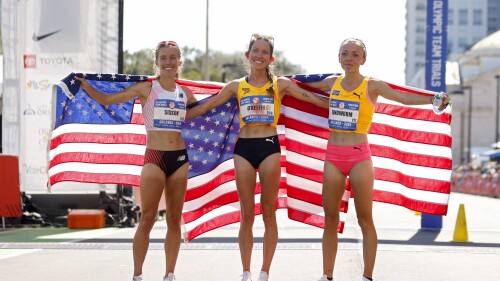
Eric Samulski breaks down the new Statcast bat speed data, explaining who stands out and why it matters.


What can fantasy managers take away from Detroit’s disappointing season, and where do the Pistons go from here?

Gary Davenport looks at the top rookie defensive linemen, linebackers and defensive backs for dynasty fantasy leagues in 2024.


Premier League

Eight of the Premier League’s 20 teams remain eligible for European qualification next season, and the FA Cup Final will likely have a big say in who gets there after Manchester United’s recent stumbles.

Aston Villa can officially seal a UEFA Champions League spot when it hosts third-place Liverpool at Villa Park on Monday.

Will Erling Haaland hold on to claim another Premier League Golden Boot? He’s got a four-goal advantage on Cole Palmer late in the season.

Leicester City and Ipswich Town have clinched promotion ahead of the four-team Championship playoffs
Golf

Take a look at some answers to frequently asked questions about the PGA Championship, the second major of the year.

Rose Zhang moved into the projected Olympic field with her Cognizant Founders Cup win.

All of the PGA Championship winners since the men’s major first began in 1916.


The pre-championship interview schedule for the men’s second major at Valhalla Golf Club.

How to watch the men’s second major of the season at Valhalla Golf Club.

Rex Hoggard and Ryan Lavner discuss which golfer they have the most faith in ahead of the PGA Championship, debating between Rory McIlroy, Scottie Scheffler, and defending champion Brooks Koepka.
Motor Sports

Tournament will feature 32 drivers in a bracket style challenge. The winner will receive $1 million.

With practice beginning Tuesday at Indianapolis Motor Speedway, these stars deserve a look.

Chris Buescher yelled at Tyler Reddick on pit road: “What was that about?”

Sunday’s Cup race featured door-to-door racing on the track and angry comments from multiple drivers.
NBA

Bronny James medically cleared, will participate in NBA Draft Combine, reportedly will stay in draft
Bronny doesn’t have to make a decision about staying in the draft until May 29.

Brad Thomas and Vaughn Dalzell focus on Celtics’ Jrue Holiday and Mavericks’ Luka Luka Doncic in their respective Game 4 playoff matchups as they aim to turn lunch money into dinner money.

The Dan Patrick Show discusses where Nikola Jokic would be ranked among the all-time NBA hierarchy of players if he adds a second championship to his third Most Valuable Player award.

Can the Knicks overcome this devastating rash of injuries?
MLB

Eric Samulski breaks down this week’s top waiver wire adds and drops.

Pittsburgh Pirates rookie Paul Skenes made an impressive big league debut, striking out seven in four-plus innings against the Chicago Cubs.

Mariners’ right-hander Matt Brash, one of the top relievers in the American League last season, underwent Tommy John surgery earlier this week and will miss the entire 2024 season.

Matthew Pouliot recommends an outfielder, a reliever and a catcher in this week’s column.
Betting

Drew Dinsick tabs Stefanos Tsitsipas, not Alexander Zverev, as his favorite in the Italian Open -- in a men’s field that’s “in a little bit of shambles” -- before giving his analysis of the women’s side as well.

Jay Croucher and Drew Dinsick believe Jayson Tatum is showing “all of his strengths” against the Cavaliers and like the Celtics to win the series in five games while also highlighting the over in Game 4 on Bet the Edge.

Despite trailing 2-1 in the series, Drew Dinsick thinks Oklahoma City is clearly better than Dallas -- especially with Luka Doncic’s injury -- and recommends betting on the Thunder until the market relaxes.

Vaughn Dalzell previews Game 3 between the Boston Celtics and Cleveland Cavaliers.
College Basketball

In addition, the 70-year-old Tara VanDerveer will be honored by having her name associated with one of the assistant coaching positions.

The NCAA has approved a waiver that will allow men’s and women’s basketball programs to pay for unlimited official recruiting visits to help teams deal with roster depletion caused by transfers.

A northern Idaho prosecutor won’t bring hate crime charges against an 18-year-old accused of shouting a racist slur at members of the Utah women’s basketball team during the NCAA Tournament.

Rated the top player available in the transfer portal, the 6-foot-6 Kadary Richmond was a first-team All-Big East selection last season.
College Football

The College Football Transfer Portal is underway. Here is a one-stop shop to track which big-name players are on the move this offseason.

Quarterback Faizon Brandon (Greensboro, NC/ Grimsley High School), the five-star prospect has officially accepted his invitation to the 2026 All-American Bowl.

Defensive back Jontae Gilbert (Atlanta, GA/ Frederick Douglass High School), the four-star prospect has officially accepted his invitation to the 2025 All-American Bowl.

Defensive lineman Amare Adams (Florence, SC/ South Florence High School), the four-star prospect has officially accepted his invitation to the 2025 All-American Bowl.
Brother From Another

Michael Holley and Terrika Foster-Brasby share their takes on the New York Knick’s playoff series against the Indiana Pacers following Game 1.

Michael Holley and Terrika Foster-Brasby share their thoughts on Pat Riley’s press conference comments on Jimmy Butler’s statements regarding the New York Knicks and Boston Celtics during the playoffs.

Michael Holley and Terrika Foster-Brasby debate over Rudy Gobert winning his fourth Defensive Player of the Year award and if Victor Wembanyama deserved the honor instead, despite being a rookie.

Michael Holley and Terrika Foster-Brasby explain just how impressive Anthony Edwards and the Minnesota Timberwolves have been against the Denver Nuggets, particularly with their defense against Jamal Murray.


Local coverage

Did the New England Patriots deftly exploit an NFL rules loophole with their GM search?

Isaac Guerendo converted from wide receiver to running back upon arriving on the Wisconsin campus in 2019.

How do Keenan Allen, DJ Moore and Rome Odunze stack up against the league’s best wide receiver units?

The conversation in Philadelphia is about blending Nick Sirianni’s offense with Kellen Moore’s.
Latest

The Premier League award nominees for the 2023-24 season player, young player and manager of the season have been announced and there is plenty of debate around who should win the awards.

Tottenham and Manchester City collide in north London on Tuesday with a very strange situation swirling around Spurs’ penultimate game of the season.

The Premier League title will be won on the final day of the 2023-24 season. How can City or Arsenal clinch it?

Manchester City’s the latest winner of the UEFA Champions League. Who else has won the European Cup?

The bracket for the 2023-24 Championship playoffs is set, with the four teams scrapping for the final promotion spot to the Premier League for the 2024-25 campaign finalized.