


Drivers take part in the sixth practice session ahead of the Indy 500 at Indianapolis Motor Speedway. Watch on Peacock!

Sat, May 18
10:30AM EDT
IMSA Michelin Pilot Challenge
CNBC


Sat, May 18
11:00AM EDT
Indy 500: Qualifying Day 1
Peacock


Top Headlines


Drew Dinsick discusses Preakness Stakes outlooks for Mystik Dan, Imagination, and Tuscan Gold after heavy-favorite Muth was scratched with a fever.

Eleven gymnasts with Olympic or world championships medals are entered in the Core Hydration Classic.
WATCH NOW
Unpacking Friday's 'awful' events at Valhalla
Rex Hoggard joins Rich Lerner to unpack the tragic events that occurred Friday morning outside of Valhalla Golf Club and the circumstances that led to Scottie Scheffler's arrest prior to Round 2 of the PGA Championship.
Up Next


NBC Sports Podcasts
-
 Robbie Mustoe and Robbie Earle discuss and dissect the top Premier League storylines after every single matchweek.
 -
 15x AMA Champion Ricky Carmichael and 9x AMA Champion Ryan Villopoto recap the week in Supercross and Motocross racing.
 -
 The former QB gives his unfiltered analysis on all things NFL. Clap it up!
 -
 The Rotoworld crew has you covered with top-notch fantasy baseball analysis, waiver wire pickups, latest injury news and more.
 -
 From spreads and totals to futures and player props, Jay Croucher and Drew Dinsick have you covered.
 -
 The expert analysts of NASCAR on NBC take a deep, insightful dive into every Cup race.
 -
 Former college basketball players Meghan McKeown, Zora Stephenson, and Robbie Hummel take charge with Big Ten hoops insights.
 -
 Join Matthew Berry and the crew for the latest information on the NFL and fantasy football.
 -
 RotoPat, Denny Carter, Kyle Dvorchak and others from the Rotoworld crew give their analysis and opinions on all things NFL.
Premier League: The Run In

A look at the remaining schedule for Arsenal, Liverpool and Manchester City as the title race goes down to the wire.

The 2023-24 Premier League season’s three-horse title race is down to two, and Week 38 will tell us whether Manchester City or Arsenal are the champions of England’s top-flight.

The Premier League tiebreaker rules will be needed on the final day of the 2023-24 season as Championship Sunday promises to be a wild day of permutations.

The Premier League title race between Manchester City and Arsenal is going down to the final game of the season and the odds are intriguing as to what will happen and who will win it all.

Mikel Arteta’s Arsenal have taken the Premier League title race to the final weekend. Here’s everything you need to know

Will Manchester City complete its quest for an unprecedented fourth-straight title?

“If you don’t like playing in these games you shouldn’t play football.”
NFL

Despite losing $7 million per year by being relegated from the No. 1 team at Fox to No. 2, Greg Olsen is still winning.

Tight end Jake Ferguson took on a big role in the Cowboys offense during his second season with the team.

The Vikings’ 17th overall pick is the odds-on favorite to be the NFL’s top defensive rookie.

The Seahawks’ entire 2024 NFL draft class is under contract.




Rotoworld

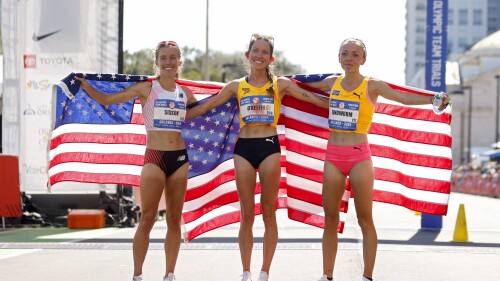
Matthew Pouliot leads off his weekly pickups column with an inconsistent Angels starter.
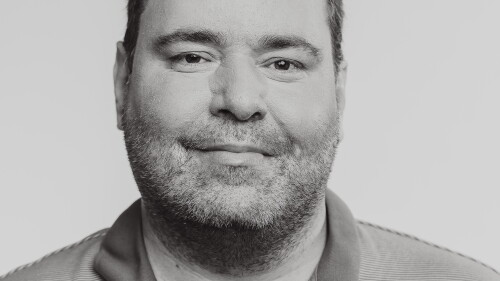

The Spurs have their franchise player in Victor Wembanyama, but who else is making an impact in fantasy hoops?

Saquon Barkley’s high price tag going into 2024 fantasy drafts creates several scenarios for managers at the back half of first rounds and early in the second.

Davis Mattek and the Rotoworld Football Show debate 2024 fantasy ADPs for C.J. Stroud after his historic rookie year and Jordan Love fresh off the Packers’ surprising season.
Premier League

What odds do you give West Ham United of surprising the Premier League with a win or draw on Championship Sunday, potentially denying a four-peat to Man City?

Newcastle United need a win at Brentford to give themselves the best chance of returning to European football next season.

Jurgen Klopp presides over his final match as Liverpool boss on Championship Sunday when Anfield hosts Wolves in the final Premier League game of their seasons.

Luton Town are hoping for a miraculous escape from the bottom three despite monumentally poor odds when they host Fulham on Championship Sunday
Golf

Rex Hoggard and Ryan Lavner detail what it was like being on Valhalla grounds Friday at the PGA Championship.

Tiger Woods says the “damage was done early” in Round 2 of the PGA Championship and falls short of making the cut. He also discusses balancing his competitive game with serving on the PGA Tour Enterprises board.

Schauffele shot 68 to take the lead into the weekend at the PGA Championship.

Rahm finished two rounds at even par and will not make the cut at Valhalla Golf Club.

Johnson Wagner analyzes how mud affects a golf ball after weather rained down at Valhalla Golf Club during Round 2 of the PGA Championship and how golfers will have to navigate the “guessing game” in Round 3.

Rising star Atthaya Thitikul birdied five of the final seven holes in a round of 7-under 65.
Motor Sports

NASCAR Cup teams will set the order for the All-Star Race Saturday at North Wilkesboro.

Kevin Harvick practiced Kyle Larson’s car Friday ahead of the All-Star Race.

Fastest speeds in nearly 30 years in practice at the Indianapolis Motor Speedway.

Schedules, streaming and TV info for how to watch qualifying Saturday and Sunday on Peacock and NBC as the starting grid is set for the Indy 500 on May 26.
NBA

Vaughn Dalzell shares his best bets for the weekend of NBA playoff betting.
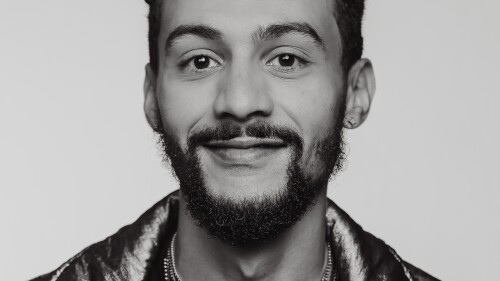

If Bronny stays in the 2024 NBA Draft, as expected, he will get selected in the second round.

Nicolas Batum, Evan Fournier, Bilal Coulibaly, Ousmane Dieng and Killian Hayes also are on the list.

Brad Thomas and Vaughn Dalzell discuss why their targeting Oklahoma City Thunder’s Shai Gilgeous-Alexander and Manchester City’s Erling Haaland in their respective games as they aim to turn lunch money into dinner money.
MLB

Juan Soto says he’s open to in-season contract talks with the Yankees as All-Star slugger settles in
Soto said Thursday he would give his blessing to contract talks during the season if the Yankees want to approach his agent Scott Boras about a long-term contract.

James Schiano breaks down Statcast’s new Blast Rate statistic and which players stand out from around MLB.

Jorge Montanez breaks down the week of saves across baseball in his weekly closer rankings and highlights some steals options on the waiver wire.


Blanco was ejected at the start of the fourth inning of the 2-1 win over Oakland on Tuesday after umpires found a foreign substance ton his glove.
Betting
Vaughn Dalzell shares his best bets for the weekend of NBA playoff betting.

Jay Croucher and Drew Dinsick share their overall impressions from the NFL schedule release and how they’re pricing specific matchups, including Ravens at Chiefs.

The Lions and Rams are set for a rematch on Sunday Night Football in Week 1 of the 2024 NFL season after their thrilling playoff game, but who will hold the edge this time around?

Jay Croucher and Drew Dinsick explain why the decisions being made in the Thunder-Mavericks series confuse them and ponder what comes next in Game 6.
College Basketball

Jan Jensen had numerous head coaching opportunities in her 24 years as an assistant on Lisa Bluder’s coaching staff at Iowa.

Green Bay announced Tuesday that Gottlieb will take over for Sundance Wicks, who left the Phoenix after one year to take over Wyoming’s program.

The game, which will be played on Saturday, Dec. 21, will feature two of the college game’s biggest stars in USC’s JuJu Watkins and UConn’s Paige Bueckers.

Bluder made the announcement Monday, five weeks after Iowa lost to South Carolina in the national title game and superstar Caitlin Clark ended her college career.
College Football

The College Football Transfer Portal is underway. Here is a one-stop shop to track which big-name players are on the move this offseason.

Wide receiver Jerome Myles (Draper, UT/ Corner Canyon High School), the four-star prospect has officially accepted his invitation to the 2025 All-American Bowl.

Defensive back Trey McNutt (Cleveland, OH/ Shake Heights High School), the five-star prospect has officially accepted his invitation to the 2025 All-American Bowl.

Former Michigan star quarterback Denard Robinson is no longer part of Sherrone Moore’s coaching staff, school spokesman Dave Ablauf confirmed.
Brother From Another

Brother From Another dives into Las Vegas Aces ‘megastar’ A’ja Wilson’s dominant performance in the Aces’ WNBA regular-season opener and how she landed a signature shoe deal with Nike.

Brother From Another discusses Caitlin Clark’s WNBA debut where she struggled with her shot and committed 10 turnovers in the Indiana Fever’s loss to the Connecticut Sun.

Brother From Another discusses Luka Doncic’s performance in the NBA Playoffs and how the Dallas Mavericks superstar has carried the team to the cusp of a Western Conference Finals appearance.

Brother From Another looks at Bronny James’ NBA Draft journey and how the situation with his father LeBron James shows the importance of nepotism in the Black community.


Local coverage

Unlike in past years, fortune has smiled on the Celtics so far this postseason.

All good things must come to an end, as Steve Kerr recently sat down with Raj Mathai to further detail when his final chapter as Warriors coach might be.

The NFL plans to “count on” the Bears in several key windows.

Tyrese Maxey added another accolade to his stellar fourth season.
Latest

Not many wins late in the season for Manchester United or Brighton, which presents a perfect opportunity for either side.

Spurs are set for an incredibly important offseason as Ange Postecoglou puts his stamp on the side, but first, a chance to clinch 5th place on Championship Sunday.

Arsenal host Everton on Championship Sunday knowing they can win the Premier League title, but they need a huge favor from West Ham.

Chelsea host Bournemouth on Championship Sunday aiming to seal European qualification.

Already-relegated Burnley host Nottingham Forest on Championship Sunday with Forest basically safe from relegation barring an incredible set of events.