


Chris Simms reacts to the Atlanta Falcons selecting Michael Penix Jr. in the 2024 NFL Draft, explaining the implications of the surprising pick.

Investec South African Women’s Open - Rd 2
Fri, Apr 26
7:00AM EDTGolf Channel


Fri, Apr 26
10:00AM EDT
Canoe Slalom: Day 1
Peacock


Fri, Apr 26
10:00AM EDT
Olympic Trials: Canoe Slalom
NBCS Digital


Fri, Apr 26
12:00PM EDT
Mitsubishi Electric Champ: Rd. 1
PGA Tour Champions
Peacock
Top Headlines


Chris Simms reacts to the Minnesota Vikings trading up to select J.J. McCarthy at No. 10 overall in the 2024 NFL Draft, explaining why he’s a great “system” fit.

Mike Florio unpacks the Bears selecting Caleb Williams with the No. 1 overall pick in the 2024 NFL Draft, giving Chicago a true “signature QB.”
WATCH NOW
Falcons add another QB to arsenal in Penix Jr.
Just six weeks after signing Kirk Cousins, the Atlanta Falcons select their eventual successor in QB Michael Penix Jr. with the No. 8 pick in the 2024 NFL draft.
Up Next


NBC Sports Podcasts
-
 Robbie Mustoe and Robbie Earle discuss and dissect the top Premier League storylines after every single matchweek.
 -
 15x AMA Champion Ricky Carmichael and 9x AMA Champion Ryan Villopoto recap the week in Supercross and Motocross racing.
 -
 The former QB gives his unfiltered analysis on all things NFL. Clap it up!
 -
 The Rotoworld crew has you covered with top-notch fantasy baseball analysis, waiver wire pickups, latest injury news and more.
 -
 From spreads and totals to futures and player props, Jay Croucher and Drew Dinsick have you covered.
 -
 The expert analysts of NASCAR on NBC take a deep, insightful dive into every Cup race.
 -
 Former college basketball players Meghan McKeown, Zora Stephenson, and Robbie Hummel take charge with Big Ten hoops insights.
 -
 Join Matthew Berry and the crew for the latest information on the NFL and fantasy football.
 -
 RotoPat, Denny Carter, Kyle Dvorchak and others from the Rotoworld crew give their analysis and opinions on all things NFL.
2024 NFL Draft
Chris Simms reacts to the Atlanta Falcons selecting Michael Penix Jr. in the 2024 NFL Draft, explaining the implications of the surprising pick.
Chris Simms reacts to the Minnesota Vikings trading up to select J.J. McCarthy at No. 10 overall in the 2024 NFL Draft, explaining why he’s a great “system” fit.

Matthew Berry, Connor Rogers and Jay Croucher discuss Bo Nix’s fantasy fit with the Denver Broncos and explain why the Oregon product should be able to start during his rookie season.

Chris Simms breaks down the Commanders’ selection of Jayden Daniels, explaining what the LSU quarterback brings to the table.
Matthew Berry, Connor Rogers and Jay Croucher discuss the fantasy implications of the Chicago Bears selecting Caleb Williams with the No. 1 overall pick in the 2024 NFL Draft.

Mike Florio analyzes the Arizona Cardinals’ decision to “play it safe” and select star WR Marvin Harrison Jr. with the No. 4 pick in the 2024 NFL Draft.
Mike Florio analyzes the New York Giants passing over a quarterback and selecting LSU’s Malik Nabers with the No. 6 overall pick in the 2024 NFL Draft.
NFL

The first round of the 2024 NFL draft is over, but there are still plenty of good players available heading into Round 2.

Patrick Daugherty breaks down every skill player selection from Night 1 of the 2024 NFL Draft, including J.J. McCarthy and Brock Bowers.


The Commanders got their quarterback, selecting Jayden Daniels at No. 2 overall on Thursday night.

The Falcons made the most stunning move of the first round, selecting the UW QB eighth overall.




Rotoworld
Patrick Daugherty breaks down every skill player selection from Night 1 of the 2024 NFL Draft, including J.J. McCarthy and Brock Bowers.

Matthew Berry, Connor Rogers and Jay Croucher discuss the winners of the 2024 NFL Draft, including Caleb Williams going to Chicago and the New York Jets trading back to select Olu Fashanu.

Matthew Berry, Connor Rogers and Jay Croucher recap the first round of action from the 2024 NFL Draft, giving their reactions from a fantasy football perspective.

Matthew Berry, Connor Rogers and Jay Croucher discuss the Carolina Panthers moving up into the 1st round to select Xavier Legette, questioning how the former South Carolina receiver fits with the team.
Premier League: The Run In

A look at the remaining schedule for Arsenal, Liverpool and Manchester City as the title race goes down to the wire.

The Premier League title race is a remarkable three horse race as we enter the final stretch of the 2023-24 season.

Check out the Premier League fixtures and results for the 2023-24 season

Will Manchester City complete its quest for an unprecedented fourth-straight title?

Jurgen Klopp was downbeat after Liverpool faltered in the Merseyside derby to slip to a clear third-favorite in the Premier League title race.

Matchweek 34 of the Premier League sees the potential for a dramatic reshaping off the relegation zone, plus Arsenal and Liverpool have opportunities to take advantage of FA Cup-competing Manchester City.

When Arsenal ran out of stream in the second half against Aston Villa on Sunday you knew what was coming. There was tension in the air amongst the home fans. They were quiet. Agitated. Frustrated.
Premier League

Gary Lineker joins the 2 Robbies to share his thoughts on Arsenal’s growth this season and if they’ll be able to hold off Manchester City for the Premier League title.

Gary Lineker joins the 2 Robbies to discuss the reports of Feyenoord’s Arne Slot becoming Jurgen Klopp’s successor at Liverpool.

Gary Lineker joins the 2 Robbies to discuss Liverpool’s slide and the level of impact Jurgen Klopp’s announcement to leave the club this summer has had on the team’s performance.

Rebecca Lowe, Robbie Earle, and Robbie Mustoe analyze Manchester City’s four-goal win over Brighton, led by Phil Foden’s first half brace at the Amex.
Golf

Kim leads a host of other players after the opening round at Wilshire CC.

Watch Round 1 highlights from the JM Eagle LA Championship at Wilshire Country Club in Los Angeles.

McIlroy and Lowry shot 11-under 61 in the opening fourball format.

Watch Round 1 highlights from Rory McIlroy and Shane Lowry at the 2024 Zurich Classic of New Orleans.

Watch highlights from the 2024 Zurich Classic of New Orleans, held at TPC Louisiana.

Patrick Cantlay and Xander Schauffele explain why being good friends on and off the golf course has been an advantage for them at the Zurich Classic of New Orleans.
Motor Sports

All three Team Penske drivers are winless at Dover Motor Speedway.

After winning the USF Pro 2000 championship, he’s in Indy NXT with HMD Motorsports for 2024.

Philadelphia has not hosted a Supercross race in more than 40 years and the momentousness of the occasion moves this race to NBC’s mothership.

Dale Jarrett previews the drivers who have the best chances to win at Dover, assesses why Ford is winless and why it’s not likely to change anytime soon, and answers whether all Hendrick drivers can make the playoffs.
NBA

The Lakers are going to face some hard questions if they can’t at least send the series back to Denver on

It didn’t stop Embiid from dropping 50 on the Knicks in Game 3.

Embiid is fortunate not to be ejected.

DeMar DeRozan came in second in the voting, with Shai Gilgeous-Alexander third.
MLB

Eric Samulski analyzes a few players fantasy managers should add, hold or drop nearly a month into the MLB season, including Colorado Rockies’ Brenton Doyle and Nolan Jones.

The 35-year-old two-time batting champion underwent testing after leaving his first minor league injury rehabilitation game with Double-A Somerset.

Eric Samulski reviews some hitters with early impressive Statcast exit velocity numbers.


The Cubs put Bellinger on the 10-day injured list and recalled Pete Crow-Armstrong from Triple-A Iowa.
Betting

NASCAR takes on the Monster Mile.

Drew Dinsick is confident that under 6.5 (line per DraftKings Sportsbook) wide receivers will be selected in the first round of the 2024 NFL Draft, and he explains why.

Vaughn Dalzell and Drew Dinsick break down Knicks-76ers Game 3, and Vaughn is riding with Philadelphia needing a spark down 0-2 at home, but Drew has his reservations.

With much uncertainty surrounding the third overall pick in the NFL draft, Vaughn Dalzell and Drew Dinsick discuss why the front runners of Drake Maye and J.J. McCarthy are the best bets for whoever might have the pick.
College Basketball

The 19-year-old forward from Arizona averaged 11.9 points and three rebounds as he helped the Buffaloes earn a spot in the NCAA Tournament.

Austin was set to be an NBA player until he was diagnosed with Marfan syndrome.

AJ Storr will give Kansas an infusion of athleticism and scoring on the wing.

NCAA fast tracks rule change to make multi-time transfers immediately eligible, matching court order
NCAA athletes will be immediately eligible to play no matter how many times they transfer — as long as they meet academic requirements — after the association fast-tracked legislation Wednesday to fall in line with a recent court order.
College Football

The College Football Transfer Portal is underway. Here is a one-stop shop to track which big-name players are on the move this offseason.

Eric Froton continues his position-by-position look at the collegiate production of the top cornerbacks in the 2024 NFL Draft.
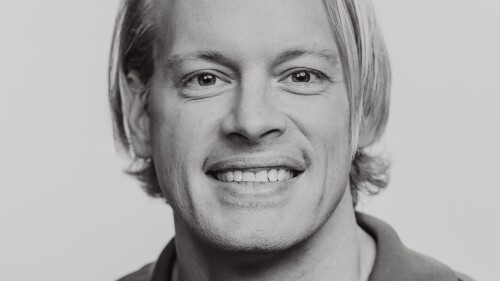

Eric Froton continues his position-by-position rankings with the linebackers group.

Offensive lineman Ryan Fodje (Cypress, TX/ Bridgeland High School), the four-star prospect has officially accepted his invitation to the 2025 All-American Bowl.
Brother From Another

Pro Football Focus analyst and Head of Football Product Steve Palazzolo joins the Dan Patrick Show to discuss what he’s hearing ahead of the 2024 NFL Draft, PFF evaluations and more.

Brother From Another analyzes the quarterback decisions that both the Washington Commanders and New England Patriots face ahead of the 2024 NFL Draft.

Brother From Another discusses the officiating in the NBA Playoffs and why the Philadelphia 76ers and New York Knicks series should be 1-1 at the moment.

Brother From Another discusses the New York Knicks and why they pose as the biggest threat to the Boston Celtics’ path to making it back to the NBA Finals.


Local coverage

Learn a bit about the man set to become the next Bears quarterback.

Here’s our final projection for how New England will use its eights picks this weekend.

It’s finally draft day, so take a look at some final predictions in mock drafts.

Why skill positions are riskiest 49ers draft picks and O-line is best
Latest

The Bears did what everyone has expected them to do for months, selecting quarterback Caleb Williams at No. 1 overall on Thursday night.

Despite finishing with the worst record in the league last season (2-15), the Carolina Panthers do not have a first round pick in the 2024 NFL Draft.

The 2024 NFL Draft is officially underway in Detroit, Michigan.

Former South Carolina receiver Xavier Legette said recently that the Panthers had told him they hoped he’d make it to the second round of the 2024 draft.

The 49ers did not trade receiver Brandon Aiyuk during the first round of the draft.